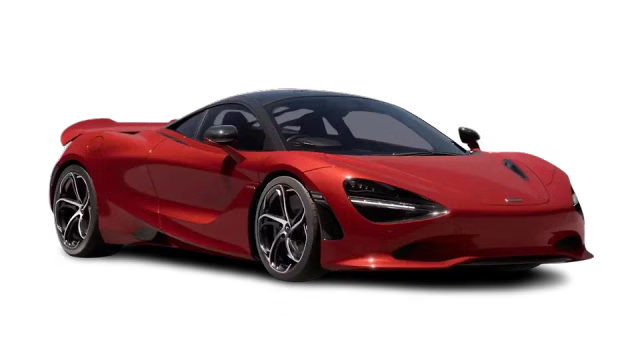
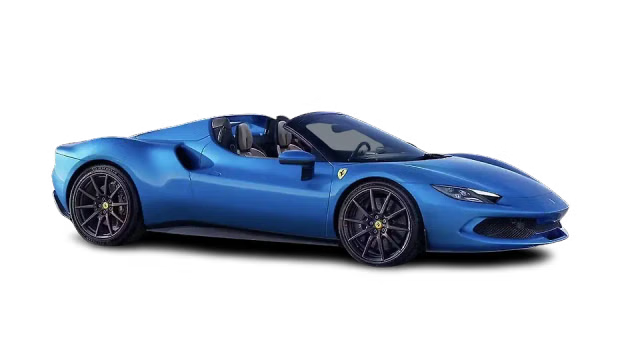
Ferrari 296 GTSvsMcLaren 750S
The McLaren 750S edges out the Ferrari 296 GTS as the sharper performance buy: it's quicker to 100 km/h, packs 77 more bhp from a naturally-breathing twin-turbo V8, and undercuts the Ferrari's ex-showroom price by over ₹31 lakh. The 296 GTS counters with a plug-in hybrid powertrain, a folding hard-top targa roof, active safety extras like blind-spot detection, and richer creature comforts such as optional massage seats, making it the choice for those who want hybrid tech and everyday livability alongside the drama.
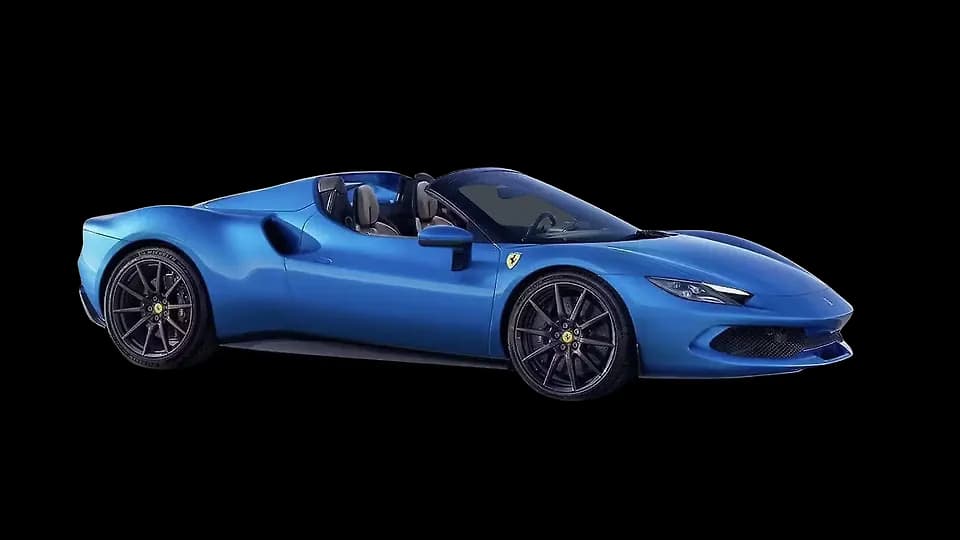
Ferrari 296 GTS
· ₹5.9 Cr
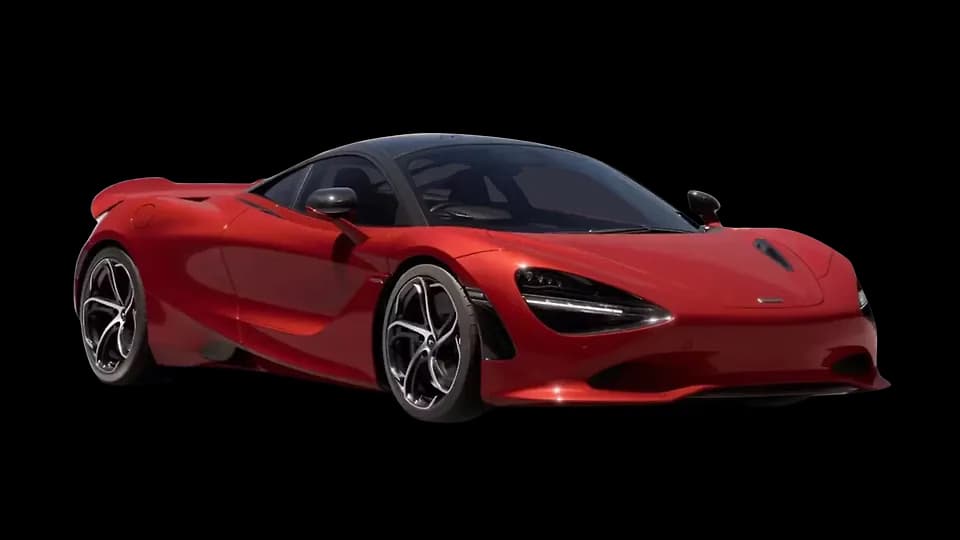
McLaren 750S
· ₹5.59 Cr
Recommendation
McLaren 750S
Recommended for 62%
Which rider describes you?
Specs are only the starting point. Your daily use changes the answer, so the recommendation below adapts to the persona you choose.
Daily Commuter → It's a tie
Neither a Ferrari 296 GTS nor a McLaren 750S is really built for daily commuting, but if forced to choose, the Ferrari's hybrid low-speed torque and slightly more usable cabin edge it marginally ahead for stop-go traffic.
Every vehicle has a different personality.
Instead of comparing specs one by one, our AI weighs how each vehicle performs across the factors that matter most.
McLaren 750S pulls ahead overall
Both cars cluster tightly on raw pace, but the McLaren's lighter, purer combustion powertrain nudges performance and value ahead, while the Ferrari's hybrid tech, active safety kit, and richer cabin appointments give it the edge in comfort and technology.
Quicker to 100 km/h
The 750S sprints 0-100 km/h in a claimed 2.8 seconds, just ahead of the 296 GTS's 2.9 seconds.
More Naturally Potent Engine Output
The 750S's 4.0L twin-turbo V8 produces 740 bhp on its own, outmuscling the Ferrari's 663 bhp combustion-only figure.
Plug-in Hybrid Punch
The 296 GTS combines its twin-turbo V6 with an electric motor for a combined 830 bhp system output, adding hybrid efficiency to supercar performance.
AI Insight
Every score reflects real spec differences, not a single "best" vehicle — pick based on which shape matches how you'll actually use it.
Strengths that matter every day.
A breakdown of what each vehicle brings to the table, so you know exactly what you're trading off.
Ferrari 296 GTS
Plug-in Hybrid Punch
The 296 GTS combines its twin-turbo V6 with an electric motor for a combined 830 bhp system output, adding hybrid efficiency to supercar performance.
Electric-Only Driving Range
With a 7.45 kWh battery, the 296 GTS offers 25 km of pure-electric driving range that the McLaren simply doesn't have.
Blind Spot Detection
The 296 GTS includes blind-spot detection as an active safety feature, a system absent on the 750S.
Massage Seats Available
Buyers can option massage seats in the 296 GTS, a comfort touch not offered on the 750S.
Ventilated Disc Brakes Standard
The Ferrari comes with ventilated disc brakes front and rear versus the McLaren's standard (non-ventilated) discs.
McLaren 750S
Quicker to 100 km/h
The 750S sprints 0-100 km/h in a claimed 2.8 seconds, just ahead of the 296 GTS's 2.9 seconds.
More Naturally Potent Engine Output
The 750S's 4.0L twin-turbo V8 produces 740 bhp on its own, outmuscling the Ferrari's 663 bhp combustion-only figure.
Higher Claimed Top Speed
McLaren quotes a 332 kmph top speed for the 750S, a figure not listed for the 296 GTS.
Lower Ex-Showroom Price
At ₹5.59 crore versus the Ferrari's ₹5.90 crore, the 750S undercuts the 296 GTS by over ₹31 lakh.
Dedicated Boot Space Listed
The 750S specifies 210 litres of boot space, giving buyers a known practicality figure the Ferrari's spec sheet doesn't quote.
Which one describes you?
Select the persona closest to how you'll actually use this vehicle and the verdict below adapts to match.
It's a tie
Neither a Ferrari 296 GTS nor a McLaren 750S is really built for daily commuting, but if forced to choose, the Ferrari's hybrid low-speed torque and slightly more usable cabin edge it marginally ahead for stop-go traffic.
Ferrari 296 GTS
Hybrid assist in traffic
The 296 GTS's electric motor and 25 km EV range can smooth out low-speed crawling and idle-stop traffic in a way the purely petrol 750S cannot.
McLaren 750S
Simpler mechanicals
The 750S's straightforward twin-turbo V8 without complex hybrid battery management may mean fewer daily quirks like battery charging needs for short EV bursts.
Ferrari 296 GTS
Slightly larger fuel tank margin per efficiency
Both have similar tank sizes, but the 296's hybrid system can reduce fuel use in city driving compared to a pure combustion supercar.
Both impractical for real commuting
Low ground clearance, 2-seat layout, firm ride and huge running costs make both poor daily commuter choices regardless of small differences.
Persona fit breakdown
Performance
Comfort
Technology
Ownership
Features that matter every day.
Instead of counting features, we compare which ones each vehicle actually includes.
Engine Performance
Battery Charging & Range
Transmission & Drivetrain
Suspension
Capacity & Dimensions
Tyre & Wheels
Warranty
ADAS & Active Safety
Passive Safety (Airbags, NCAP Ratings, etc.)
Brakes
AC & Climate Control
Doors, Mirrors & Wipers
Sunroof & Windows
Driver Assistance (Park Assist, Cruise Control, etc.)
Storage
Seating & Ergonomics
Infotainment & Entertainment
Instrument Cluster
Steering
Lighting & Visibilty
Design & Styling
Warning & Alerts