Hyundai ExtervsTata Nexon EV
Our AI recommends
Tata Nexon EV
72% Match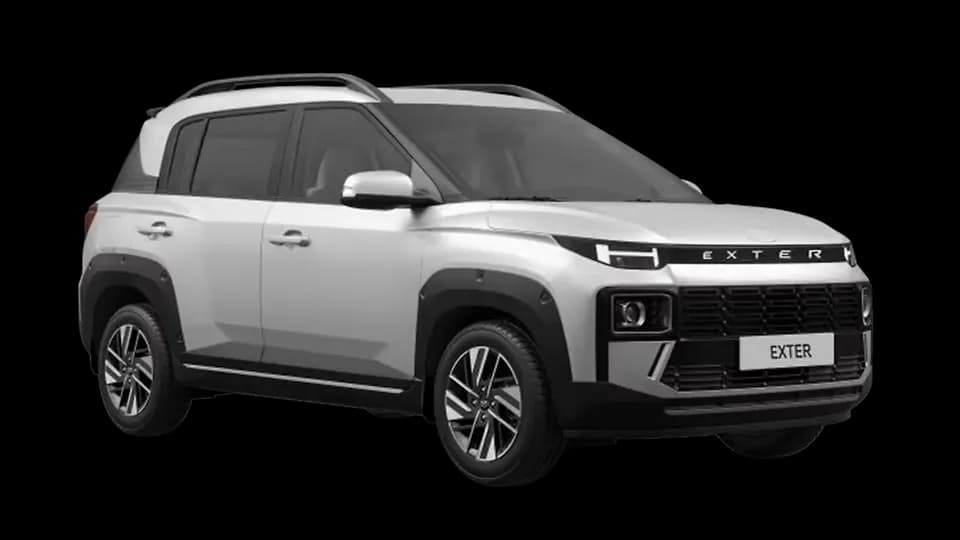
Hyundai Exter
HX 2 Petrol Manual
₹5.81 - ₹9.61 Lakh
Ex-showroom price
Massively Lower Price
At an ex-showroom price of ₹5,80,600 versus the Nexon EV's ₹12,49,000, the Exter costs less than half as much, making it far more accessible upfront.
Simple, Familiar Petrol Refuelling
With a 1.2L Kappa petrol engine and 37-litre fuel tank, the Exter can be refuelled in minutes anywhere, avoiding the charging time and infrastructure dependency of the Nexon EV.
Larger Boot Space
The Exter offers 391 litres of boot space compared to the Nexon EV's 350 litres, giving it a practical edge for luggage.
AI Match
Tata Nexon EV
- 78%
Performance
- 70%
Comfort
- 68%
Luxury & Interior
- 85%
Technology
- 90%
Safety
- 75%
Ownership
- 70%
Practicality
- 45%
Value
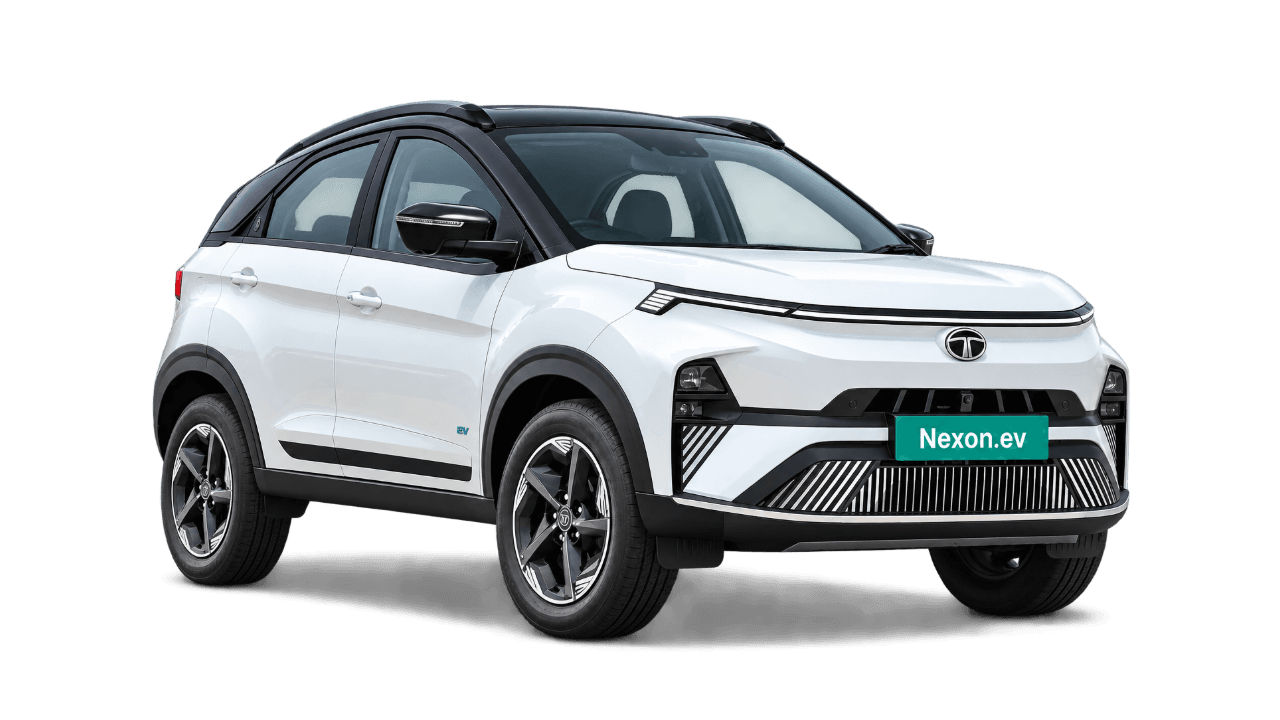
Tata Nexon EV
Creative Plus 30.0 kWh
₹11.63 - ₹17.89 Lakh
Ex-showroom price
Zero Tailpipe Emissions
As a full EV with a 30 kWh battery and 275 km MIDC certified range, the Nexon EV eliminates fuel costs and tailpipe emissions entirely, unlike the Exter's 1.2L petrol engine.
5-Star Bharat NCAP Safety
The Nexon EV carries a 5-Star Bharat NCAP rating for both adult and child occupant protection, while the Exter's NCAP rating is listed as 'Not Tested'.
Modern Touchscreen & Connected Tech
It offers a 7-inch touchscreen with wired Android Auto/Apple CarPlay, voice commands, and a full connected-car app (remote AC, geo-fence, vehicle tracking), whereas the Exter has no infotainment screen, Bluetooth, or app connectivity at all.
Which one describes you?
Tell us how you drive. Your daily use changes the recommendation.
Personalised recommendation
Daily CommuterYour AI pick
Hyundai Exter
The Exter's low price, easy running costs, and compact size make it a more practical daily driver for most commuters, though the Nexon EV offers a smoother, cheaper-per-km electric commute if charging is convenient.
See Full ComparisonWhy Exter for you?
Much lower upfront cost
At Rs 5.8 lakh ex-showroom vs Rs 12.49 lakh for the Nexon EV, the Exter frees up a huge amount of budget for a daily commuter.
No charging dependency
Petrol refuelling is quick and available everywhere, unlike the Nexon EV which needs planned charging stops (56 min DC fast charge for 10-80%).
Smaller footprint for city use
At 3830mm length and 5.3m turning radius advantage isn't stated for Exter, but its compact 3830mm length vs Nexon's 3995mm makes tight city parking and maneuvering easier.
Every vehicle has a different personality.
Find out how the Hyundai Exter and Tata Nexon EV stack up across key factors and see what makes each of them unique.
Tata Nexon EV pulls ahead overall
The radar shows a clear technology-and-safety vs. affordability trade-off: the Nexon EV dominates in Performance, Technology, Safety and Ownership extras, while the Exter closes the gap mainly on Value and stays competitive on basic Practicality thanks to its simpler, lighter footprint.
Zero Tailpipe Emissions
As a full EV with a 30 kWh battery and 275 km MIDC certified range, the Nexon EV eliminates fuel costs and tailpipe emissions entirely, unlike the Exter's 1.2L petrol engine.
5-Star Bharat NCAP Safety
The Nexon EV carries a 5-Star Bharat NCAP rating for both adult and child occupant protection, while the Exter's NCAP rating is listed as 'Not Tested'.
Modern Touchscreen & Connected Tech
It offers a 7-inch touchscreen with wired Android Auto/Apple CarPlay, voice commands, and a full connected-car app (remote AC, geo-fence, vehicle tracking), whereas the Exter has no infotainment screen, Bluetooth, or app connectivity at all.
A Trade-off
At an ex-showroom price of ₹5,80,600 versus the Nexon EV's ₹12,49,000, the Exter costs less than half as much, making it far more accessible upfront.
Strengths that matter every day.
A side-by-side look at what each one does best, so you can choose what fits your needs.
Hyundai Exter
Strengths for those who prioritise value, power and comfort.
Massively Lower Price
At an ex-showroom price of ₹5,80,600 versus the Nexon EV's ₹12,49,000, the Exter costs less than half as much, making it far more accessible upfront.
Simple, Familiar Petrol Refuelling
With a 1.2L Kappa petrol engine and 37-litre fuel tank, the Exter can be refuelled in minutes anywhere, avoiding the charging time and infrastructure dependency of the Nexon EV.
Larger Boot Space
The Exter offers 391 litres of boot space compared to the Nexon EV's 350 litres, giving it a practical edge for luggage.
Lighter, More Compact Footprint
At 3830mm long and 1723mm wide, the Exter is more compact than the 3995mm/1802mm Nexon EV, which can make it easier to manoeuvre and park in tight city spaces.
Lower Running Complexity
As a conventional manual petrol car, the Exter avoids EV-specific considerations like charger connection types, home wall-box installation, and battery degradation concerns that come with the Nexon EV.
Tata Nexon EV
Strengths for those who prioritise power, safety and features.
Zero Tailpipe Emissions
As a full EV with a 30 kWh battery and 275 km MIDC certified range, the Nexon EV eliminates fuel costs and tailpipe emissions entirely, unlike the Exter's 1.2L petrol engine.
5-Star Bharat NCAP Safety
The Nexon EV carries a 5-Star Bharat NCAP rating for both adult and child occupant protection, while the Exter's NCAP rating is listed as 'Not Tested'.
Modern Touchscreen & Connected Tech
It offers a 7-inch touchscreen with wired Android Auto/Apple CarPlay, voice commands, and a full connected-car app (remote AC, geo-fence, vehicle tracking), whereas the Exter has no infotainment screen, Bluetooth, or app connectivity at all.
Automatic Climate Control & Keyless Convenience
The Nexon EV features automatic single-zone climate control and keyless entry/start, compared to the Exter's manual AC and non-keyless central locking.
Stronger Motor Warranty Coverage
Tata backs the Nexon EV's motor and battery with an 8-year/160,000 km warranty, far exceeding the Exter's standard 3-year vehicle warranty (extendable to 7 years).
Features that matter every day.
Instead of counting features, we compare which ones each vehicle actually includes.
Engine Performance
Battery Charging & Range
Transmission & Drivetrain
Suspension
Capacity & Dimensions
Tyre & Wheels
Warranty
Battery Performance
ADAS & Active Safety
Passive Safety (Airbags, NCAP Ratings, etc.)
Brakes
AC & Climate Control
Doors, Mirrors & Wipers
Sunroof & Windows
Driver Assistance (Park Assist, Cruise Control, etc.)
Storage
Seating & Ergonomics
Infotainment & Entertainment
Instrument Cluster
Steering
Lighting & Visibilty
Mobile App & Remote Controls
Design & Styling
Warning & Alerts