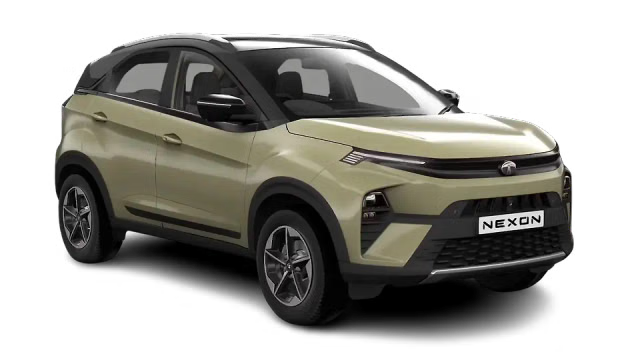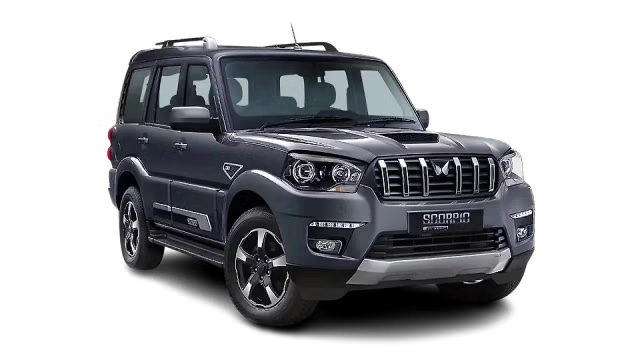
Mahindra ScorpiovsTata Safari
Our AI recommends
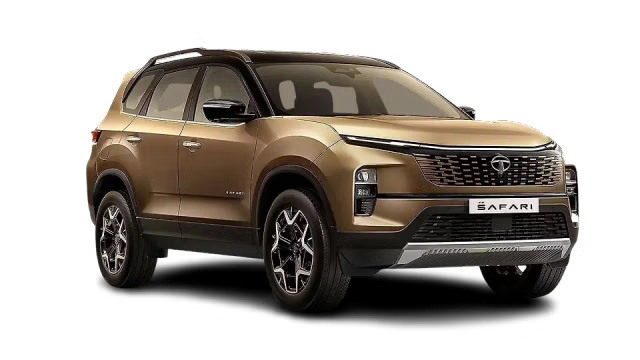
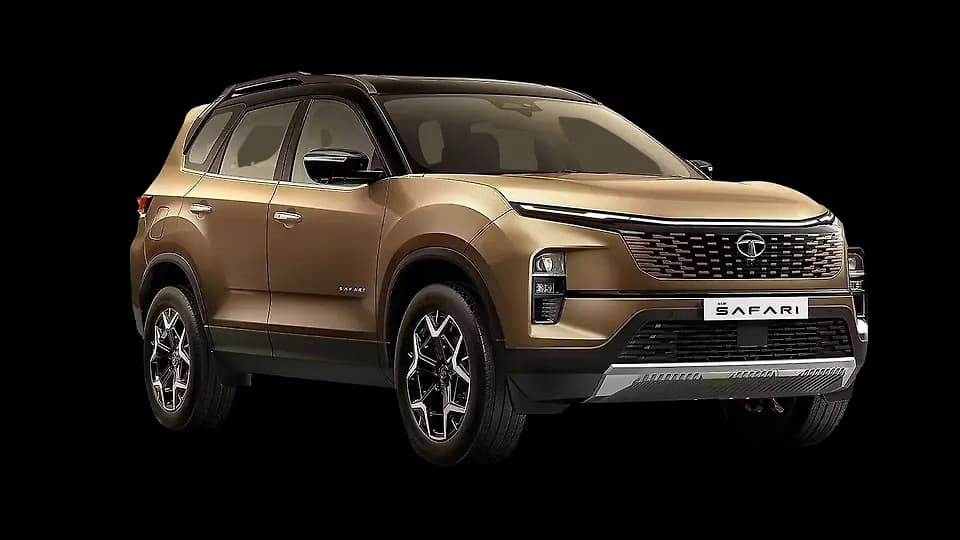
Tata Safari
72% Match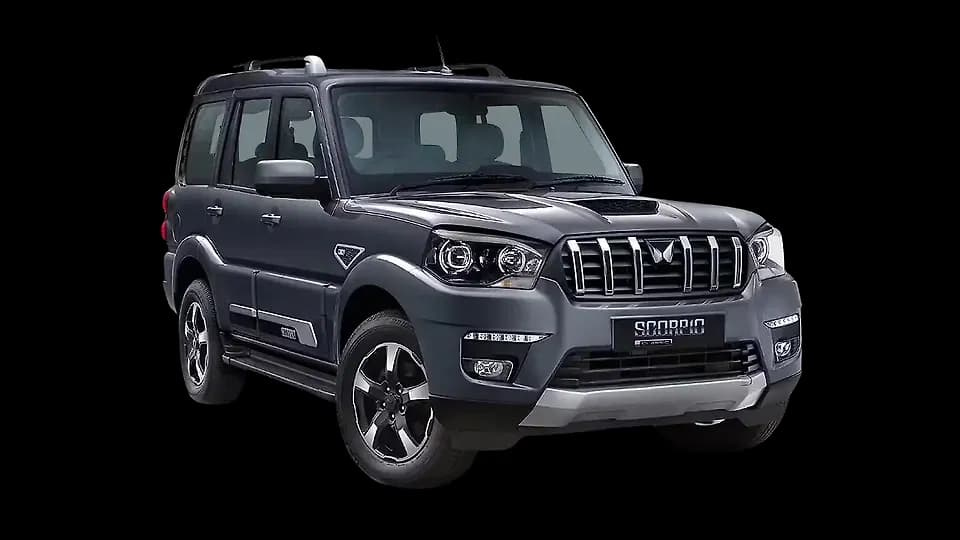
Mahindra Scorpio
S Diesel Turbo Manual 7 STR
₹13.37 - ₹17.4 Lakh
Ex-showroom price
Torquey Diesel Grunt
The 2.2L mHawk diesel delivers a strong 300 Nm from just 1600 rpm, ideal for towing and low-speed pulling power.
True Ladder-Frame Toughness
Scorpio retains a body-on-frame Ladder Frame chassis, historically favored for durability on rough roads.
Crawl Control for Off-Roading
It offers Crawl Control, a genuine off-road assist feature absent on the Safari.
AI Match
Tata Safari
- 65%
Performance
- 62%
Comfort
- 55%
Luxury & Interior
- 30%
Technology
- 88%
Safety
- 65%
Ownership
- 65%
Practicality
- 60%
Value
Tata Safari
Smart Petrol 1.5L Turbo Manual 7 STR
₹13.4 - ₹26.91 Lakh
Ex-showroom price
Vastly Superior Crash Safety
6 airbags and a 5-Star Bharat NCAP rating dwarf the Scorpio's 2 airbags and untested NCAP status.
Modern Stability Electronics
ESP, Traction Control, Brake Assist, EBD and Hill Hold Control are all standard, none of which the Scorpio offers.
More Powerful Engine
The 1.5L turbo-petrol makes 168 bhp versus the Scorpio's 130 bhp, giving it a clear performance edge.
Which one describes you?
Tell us how you drive. Your daily use changes the recommendation.
Personalised recommendation
Daily CommuterYour AI pick
Tata Safari
The Safari brings a more refined petrol engine, better ergonomics (electric steering, telescopic adjustment), and vastly superior safety kit for city driving, making stop-and-go commuting easier and safer, though the Scorpio's diesel torque and lower fuel tank refill frequency have some appeal.
See Full ComparisonWhy Safari for you?
Lighter, easier steering
Electric power steering with tilt & telescopic adjustment on the Safari is easier to live with in daily traffic than the Scorpio's heavier hydraulic steering.
Safety net for city traffic
6 airbags, ESP, hill hold control, traction control and EBD give the Safari far more confidence in unpredictable urban conditions than the Scorpio's 2 airbags and no ESP.
Better braking
All-disc brakes with brake assist and disc wiping stop more predictably in stop-and-go commutes compared to the Scorpio's rear drum setup.
Every vehicle has a different personality.
Find out how the Mahindra Scorpio and Tata Safari stack up across key factors and see what makes each of them unique.
Tata Safari pulls ahead overall
The radar shows a clear split: Scorpio leans into rugged mechanical toughness (chassis, off-road hardware) while Safari dominates in safety, comfort, and ownership-relevant features, reflecting Tata's newer-generation platform versus Mahindra's older body-on-frame approach.
Vastly Superior Crash Safety
6 airbags and a 5-Star Bharat NCAP rating dwarf the Scorpio's 2 airbags and untested NCAP status.
Modern Stability Electronics
ESP, Traction Control, Brake Assist, EBD and Hill Hold Control are all standard, none of which the Scorpio offers.
More Powerful Engine
The 1.5L turbo-petrol makes 168 bhp versus the Scorpio's 130 bhp, giving it a clear performance edge.
A Trade-off
The 2.2L mHawk diesel delivers a strong 300 Nm from just 1600 rpm, ideal for towing and low-speed pulling power.
Strengths that matter every day.
A side-by-side look at what each one does best, so you can choose what fits your needs.
Mahindra Scorpio
Strengths for those who prioritise power, features and range.
Torquey Diesel Grunt
The 2.2L mHawk diesel delivers a strong 300 Nm from just 1600 rpm, ideal for towing and low-speed pulling power.
True Ladder-Frame Toughness
Scorpio retains a body-on-frame Ladder Frame chassis, historically favored for durability on rough roads.
Crawl Control for Off-Roading
It offers Crawl Control, a genuine off-road assist feature absent on the Safari.
Bigger Fuel Tank
A 60-litre fuel tank versus Safari's 50 litres means longer range between fills.
Reverse Camera with Guidance
The Scorpio includes a guided reverse camera, while the Safari offers no parking assist at all.
Tata Safari
Strengths for those who prioritise safety, power and efficiency.
Vastly Superior Crash Safety
6 airbags and a 5-Star Bharat NCAP rating dwarf the Scorpio's 2 airbags and untested NCAP status.
Modern Stability Electronics
ESP, Traction Control, Brake Assist, EBD and Hill Hold Control are all standard, none of which the Scorpio offers.
More Powerful Engine
The 1.5L turbo-petrol makes 168 bhp versus the Scorpio's 130 bhp, giving it a clear performance edge.
Digital Instrument Cluster & Fuel Data
A 7-inch fully digital cluster shows average and instantaneous fuel consumption plus distance-to-empty, far ahead of the Scorpio's analog dials.
Everyday Convenience Wins
Automatic climate control, electric tailgate release, alloy wheels and a puncture repair kit add daily livability the Scorpio lacks.
Features that matter every day.
Instead of counting features, we compare which ones each vehicle actually includes.
Engine Performance
Transmission & Drivetrain
Suspension
Capacity & Dimensions
Tyre & Wheels
Warranty
Off Road essentials
ADAS & Active Safety
Passive Safety (Airbags, NCAP Ratings, etc.)
Brakes
AC & Climate Control
Doors, Mirrors & Wipers
Sunroof & Windows
Driver Assistance (Park Assist, Cruise Control, etc.)
Storage
Seating & Ergonomics
Infotainment & Entertainment
Instrument Cluster
Steering
Lighting & Visibilty
Mobile App & Remote Controls
Design & Styling
Warning & Alerts